
The original is never touched
Worth stating first, because people ask nervously: restoration is entirely digital. We scan your photograph at high resolution and do all the work on the scan. Nothing is applied to the print, nothing is trimmed, nothing is glued. Your original comes back exactly as it arrived.
What you get back alongside it is a repaired digital version you can print, frame and share: as many times as you like.
What can be repaired
- Tears and rips, including photographs in several pieces
- Creases and fold lines
- Water damage, staining and mould marks
- Fading and colour shift, especially the orange cast on seventies prints
- Missing corners and sections
- Surface scratches, dust and spotting
- Damage from adhesive albums and old mounting
- Adding colour to black and white photographs, where wanted
What's realistic
Restoration reconstructs from the information present in the photograph and reasonable inference about what surrounded it. A missing corner of sky or grass is straightforward. A missing half of somebody's face is not: anything we produced there would be invention rather than restoration, and we'd be making up a person's appearance.
We'll tell you which category your photograph falls into before you commit. That's what the free assessment is for, and occasionally the honest answer is that the damage has taken too much away.
How it works
- Free assessment. Bring the photograph to our Edmonton location by appointment. We'll tell you what's achievable and quote it. No obligation.
- The work. High resolution scan, then detailed repair. Complex restorations take time. This is careful manual work, not a filter.
- Return. Your original comes back untouched, with the restored file supplied print-ready as a download, or on a USB drive if you prefer.
If a photograph is actively deteriorating
Some damage keeps progressing. Mould spreads. Adhesive from old albums continues to yellow and bond. Water damage that's dried isn't finished if the paper stayed damp underneath.
In those cases the priority is getting a high-resolution scan captured now, because that freezes the photograph in its current state. Restoration can happen afterwards at your convenience, but you can't scan detail that has already gone.
If you have one irreplaceable photograph that's visibly getting worse, bring that one in first.
Actual work, not stock examples
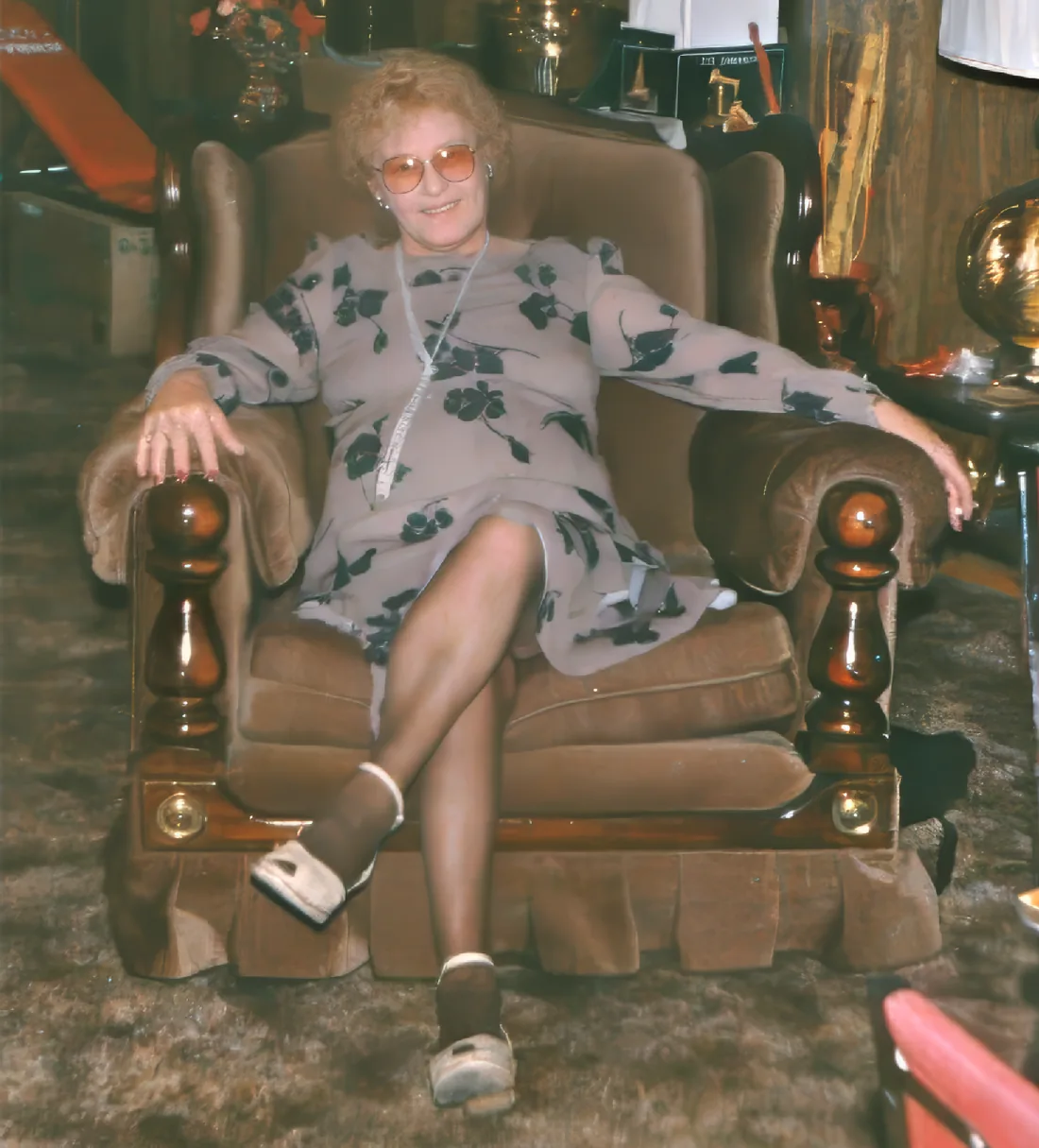
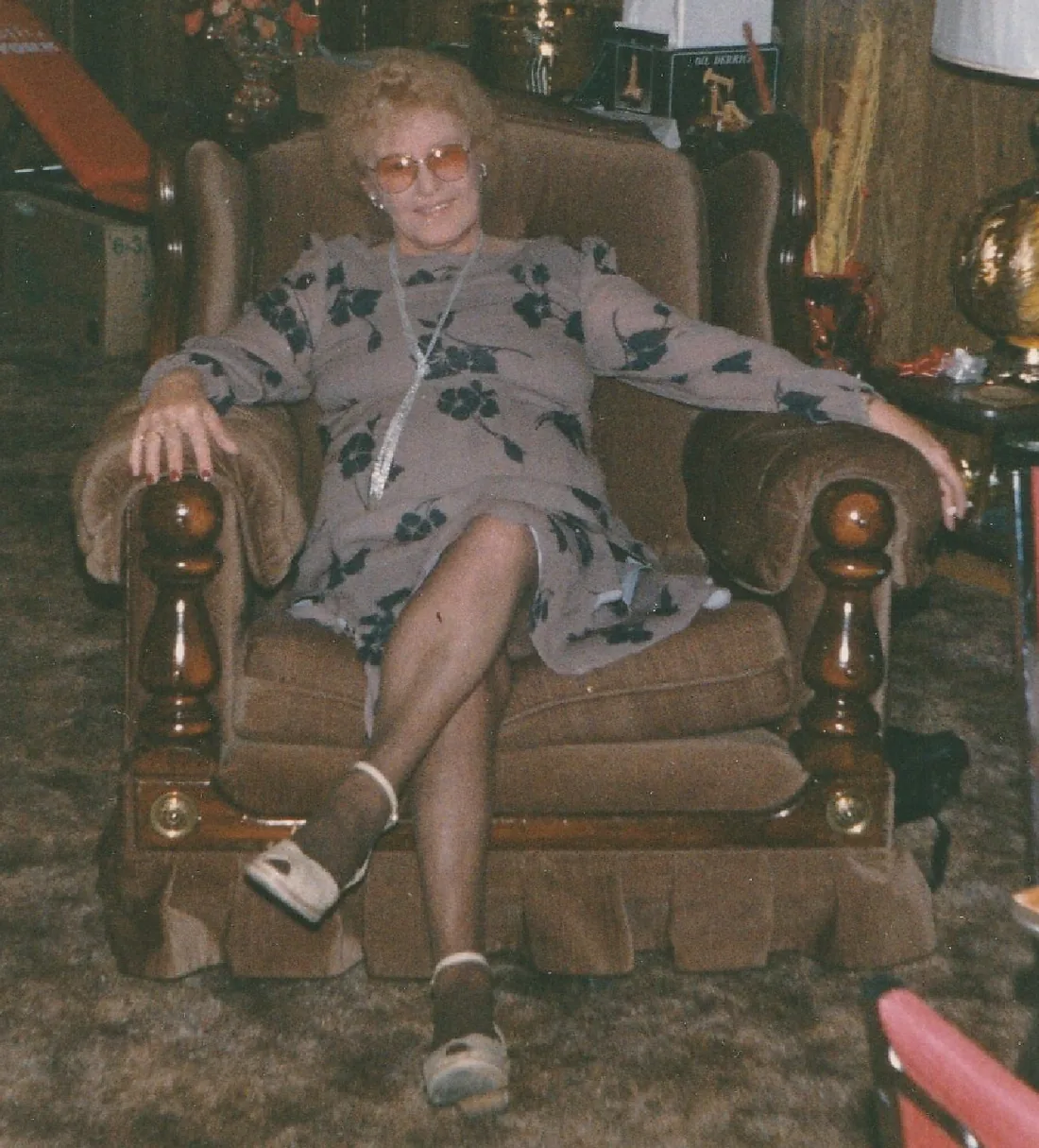
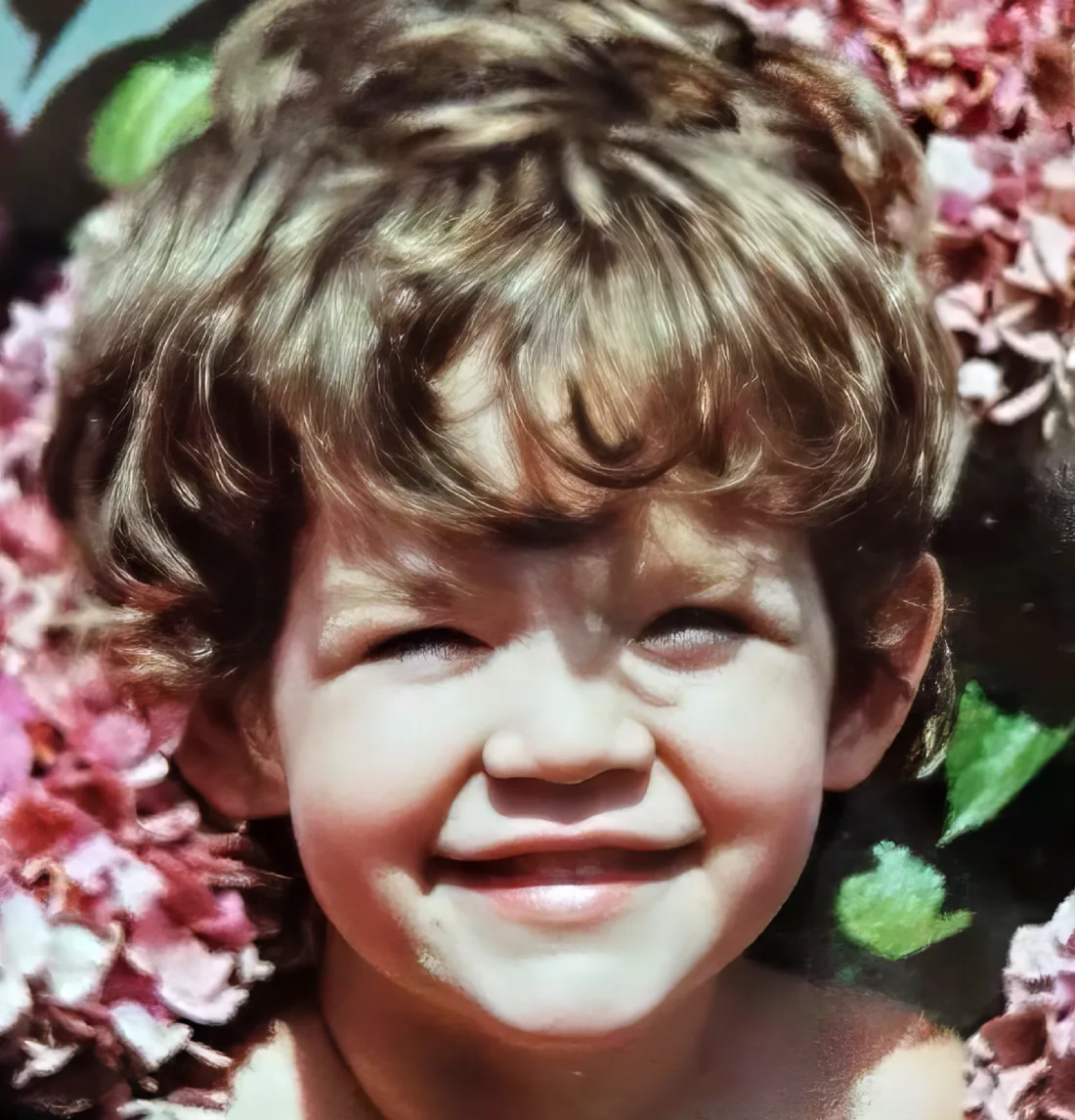
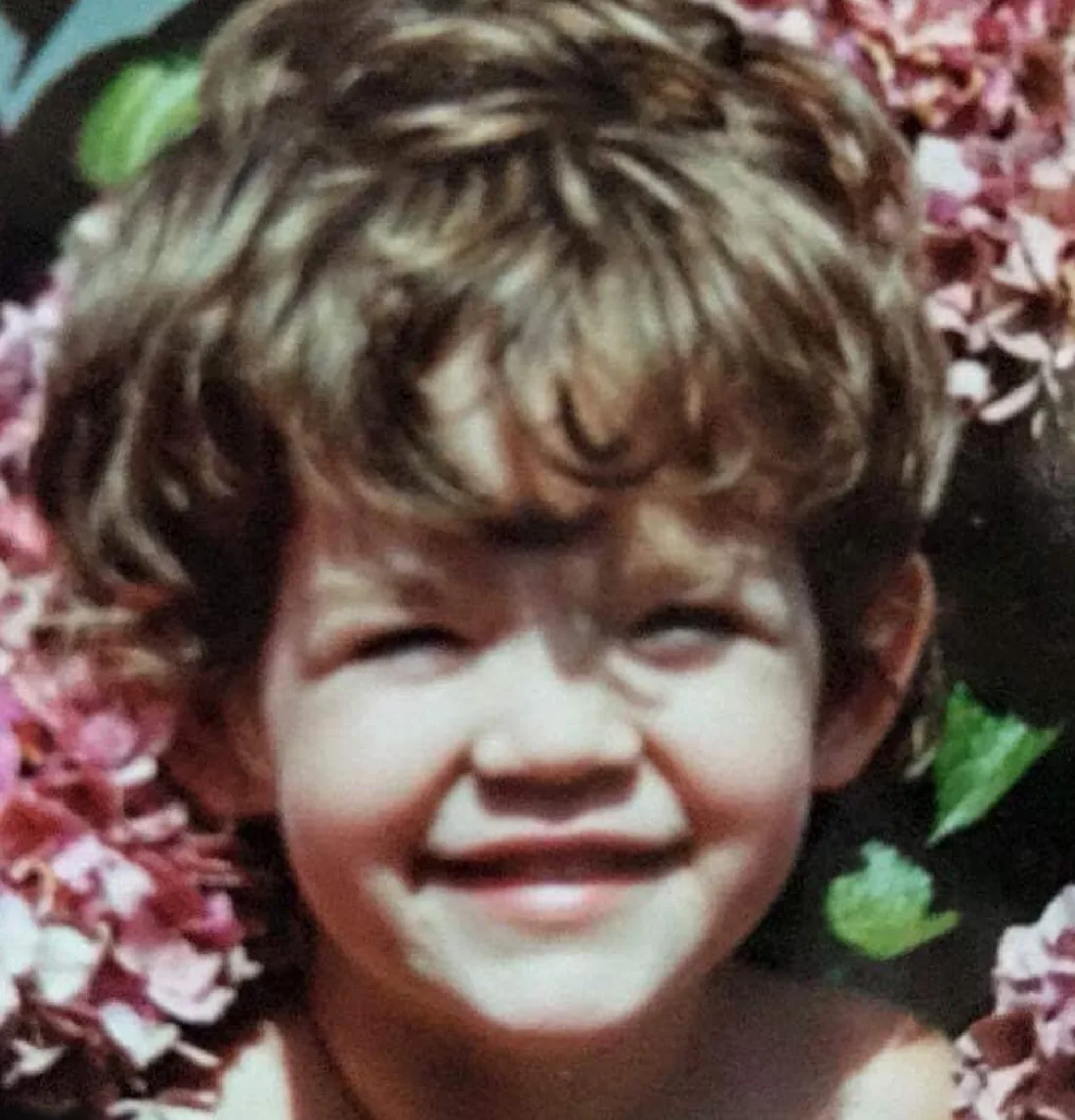
Every pair below is one photograph brought in by a customer. The original is on the left and the finished file is on the right, at the resolution you would get back.


Common questions
Will you damage my original photo?
What does restoration cost?
Can you fix a photo that's badly torn?
Can you colourise a black and white photo?
My photo is getting worse. What should I do?
WHY IT LOOKS LIKE THAT
Photographs fail in predictable ways
Most people bring in a picture assuming the damage is bad luck. Usually it isn't. It is the material doing exactly what that material does, and knowing which one you have tells us most of what the restoration will involve.
Colour prints from roughly 1950 to 1990. These are dye images, and the three dyes do not fade at the same rate. Cyan goes first, which is why family photographs from that era drift orange, then red. Nothing was done wrong to them. The print was built that way. The colour balance can usually be rebuilt, because the image structure survives even when the colour doesn't.
Black and white prints. Far more stable. A properly processed one outlives the person who took it. When they do fail it shows as yellowing, or as a bluish metallic sheen in the dark areas called silver mirroring. Both scan out better than people expect.
Instant film. Its own category. The image sits in a sealed sandwich of layers, and when that sandwich starts to separate you get cracking and lifting that no amount of care afterwards reverses. These are the ones worth scanning soonest.
Anything that lived in a magnetic album. The self-adhesive albums sold through the seventies and eighties were a disaster for photographs. The glue yellows, then bonds. If a picture is stuck fast in one, it is a picture restoration job whether or not it looks damaged yet, because the staining continues underneath.
BEFORE YOU TRY AN APP
What the phone apps are actually doing
There are free tools that will take a damaged photograph and return something sharp and clean in about four seconds. Sometimes that is genuinely all you need, and we will say so rather than take the work.
It is worth understanding what they do, though, because it explains where they go wrong. They do not recover the missing detail. They generate new detail that is statistically plausible for that kind of image, which on grass, fabric or sky is fine and often very good.
On a face it is a different matter. Given a soft or damaged face the model produces a face: symmetrical, smoothed, subtly generic. It is a confident guess, and the person it hands back is very slightly not your grandmother. Small children and anyone at a distance in the frame come off worst.
That is the same line this page draws elsewhere. Reconstructing a corner of sky from the sky beside it is restoration. Producing a face that was never in the negative is invention, and we would rather return a photograph that is honestly imperfect than one that is confidently wrong.
So: try the app first on anything casual. Bring us the ones with faces in them, the ones where there is only a single copy, and the ones that matter.
DON'T DO THIS FIRST
Four ways people accidentally finish the job
Every one of these arrives at our Edmonton counter regularly, and every one of them turns a straightforward restoration into a harder one.
Peeling it off the glass. When a framed photograph has bonded to its glass, usually after damp, pulling it away takes the image layer with it and leaves the picture on the glass. Bring the whole frame, glass and all, exactly as it is.
Prising it out of the album. Same principle. A photograph glued into an old album comes out in pieces far more often than it comes out clean. There are safer ways in, and if there aren't, we scan it in the album.
Drying it flat after water. Wet photographs stick to whatever they dry against, including each other. If a stack has been soaked, do not press it and do not separate it dry. Keeping it cool buys you time.
Trimming the damage off. The torn edge holds the information used to rebuild the tear. Cutting it away removes the reference and the border, and the border is often the only clue to the original crop.
The general rule: whatever state it is in, that state is recoverable information. Bring it damaged rather than half-repaired.
IF THERE IS A DATE ATTACHED
Funerals, anniversaries and memorial boards
A good share of this work arrives with a deadline, and often a hard one. Somebody has died, there is a service on Saturday, and the photographs that need to be on the board are the damaged ones in a box nobody has opened in twenty years.
Tell us the date when you first make contact rather than at the end. It changes what we recommend: with limited time the right move is usually to scan everything first and restore only the few pictures that will actually be printed large, rather than attempt the whole box and finish none of it.
We will tell you plainly what is achievable before the date and what is not. If it isn't, it is better to know on Monday than on Friday.
WHAT IT COSTS
Two jobs, and only one of them can be listed
Making a soft, faded or low-resolution photograph sharper and larger is predictable work, so it has a price. Rebuilding a photograph that is in four pieces is not, so it does not.
We would rather be straight about which one you have than quote you a number that changes later.
Enhance and upscale: no physical damage
| Per photo | $19 |
| Collection of 10$14.90 each | $149 |
| Collection of 25$13.00 each | $325 |
Restoration: tears, water, creases, missing sections
| Per photoassessment is free, and always honest about what cannot be rebuilt | quoted |
Already have the files? Old phone photos, small downloads and scans you made yourself are all fine. Same price, and there is nothing to scan. If you need the originals digitized first, that is scanning, from 89¢ a print.
Not sure this is your problem? The free troubleshooter narrows it down in a couple of minutes, no account, no email address, and nothing to pay. It will tell you if the answer is something you can do yourself.
Tell us what it’s doing.
Quotes are free, and we’ll point you at the cheapest thing that actually solves it.